
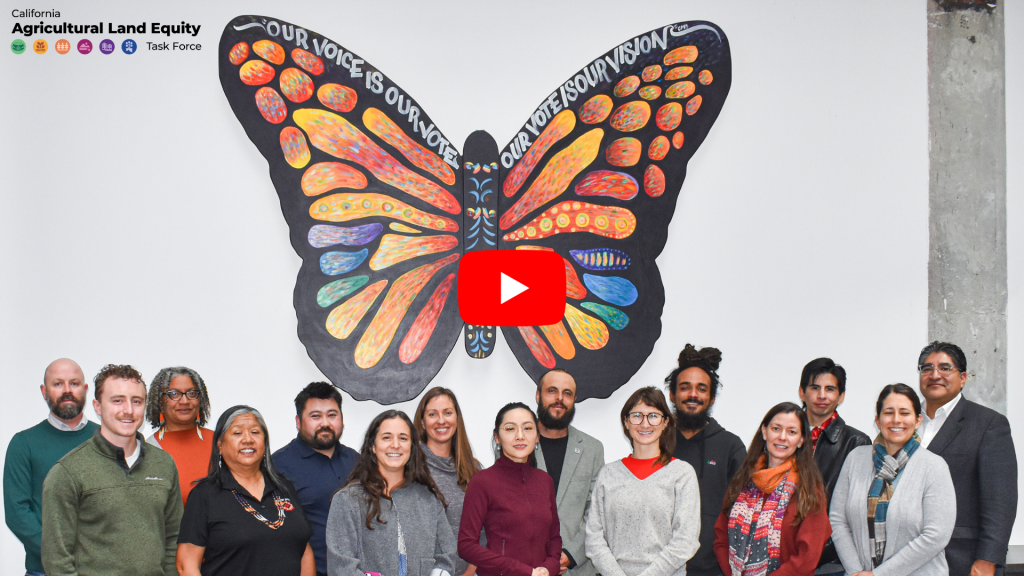
About the Task Force
The California Agricultural Land Equity Task Force was created by the Legislature in the 2022 Budget Act (AB 179) as an independent, 13-member body charged with developing policy recommendations to address agricultural land inequities. The Task Force was administered by the California Strategic Growth Council (SGC) yet operated independently of SGC direction and oversight. Its final report, submitted in December 2025, outlines key findings and recommendations for advancing equitable access to secure, affordable, and viable agricultural land across the state.
The report highlights the need for proactive, equity-driven approaches to ensure that priority producers and Tribal land stewards can access and steward land for food, fiber, medicine, and cultural resources. The Task Force finds that advancing agricultural land equity has the potential to strengthen local food systems, support diverse agricultural economies, and preserve healthy natural and working lands for the benefit of all Californians.
The Task Force’s recommendations are organized into six areas: Tribal stewardship and land return, equitable land acquisition, land consolidation, land preservation, secure tenure, and urban agriculture. These recommendations aim to reduce barriers to land access while supporting climate, health, and economic goals for the benefit of all Californians by sustaining smaller and diversified producers, preventing farmland conversion, enabling long-term land management and Tribal stewardship, and expanding community access to healthy and culturally important foods.
While the report reflects extensive research and statewide community engagement, it does not carry legal authority on its own. Implementing its recommendations would require action through California’s legislative, budgetary, and administrative processes.
Video: Meet the Task Force
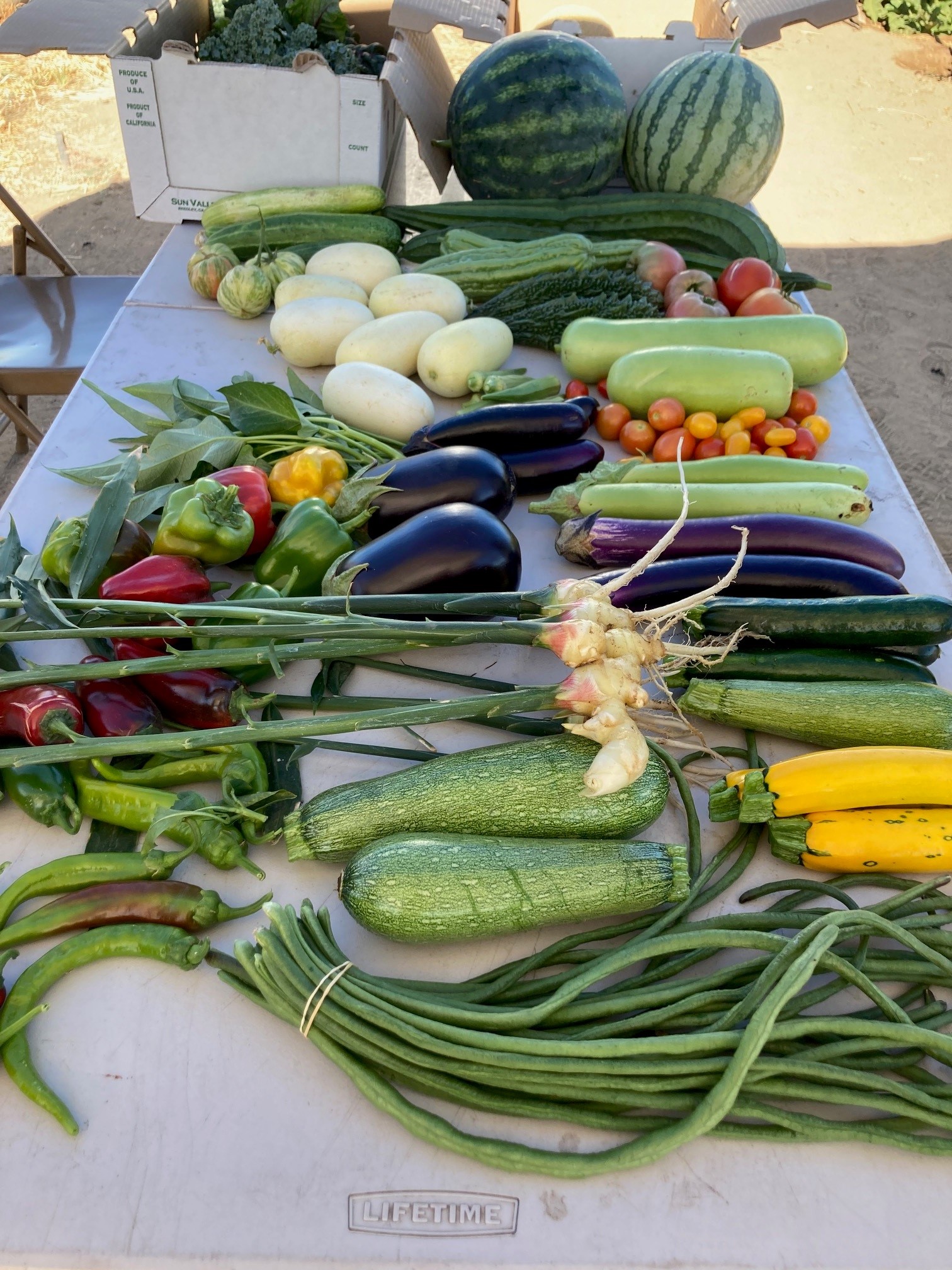
Task Force Report Summaries
Resources in Other Languages
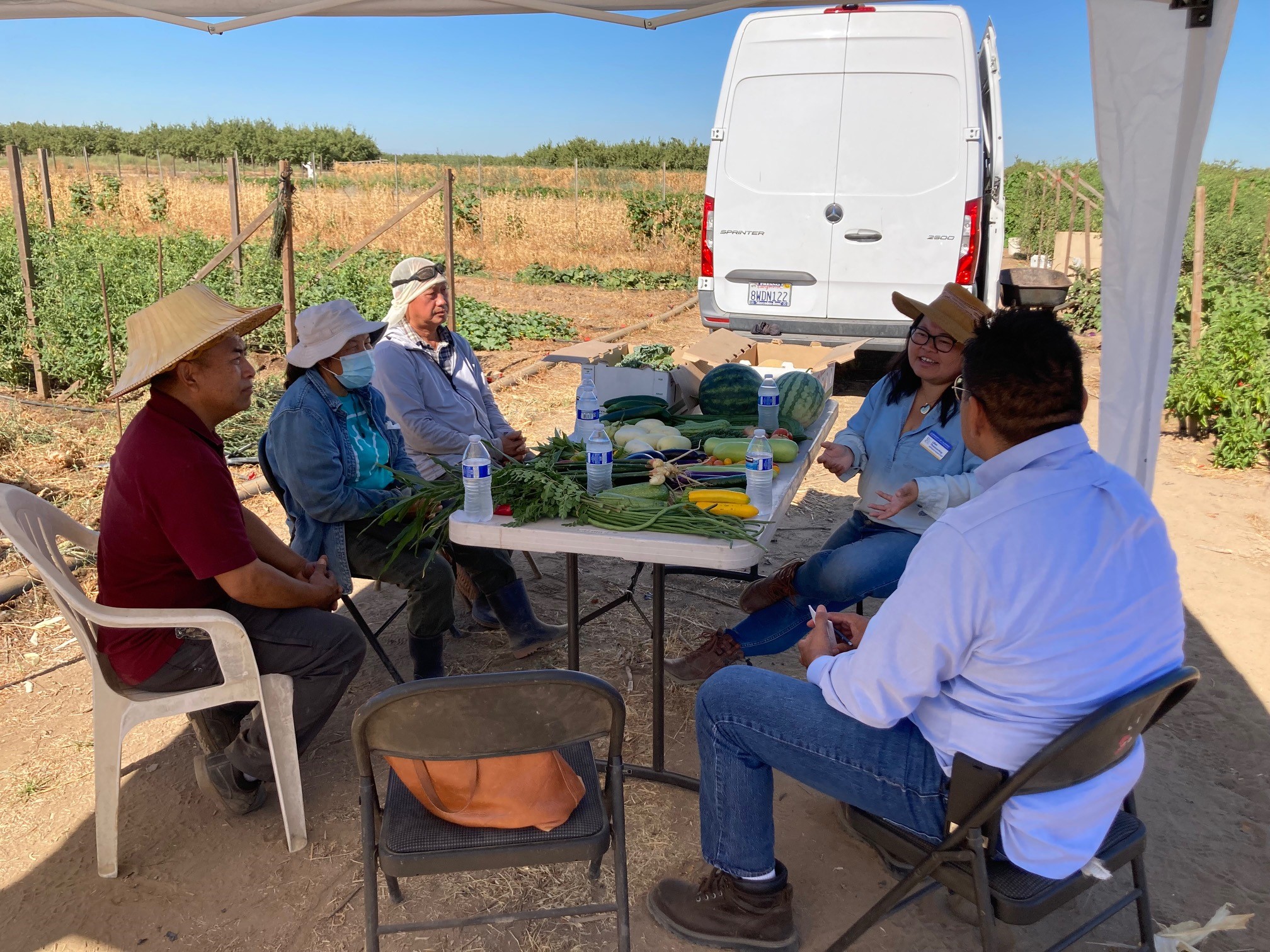
Community Engagement
The California Agricultural Land Equity Task Force conducted extensive community engagement to inform the development of its recommendations. You can learn from the voices, experiences, and lessons shared throughout the Task Force’s extensive engagement process through the link below.
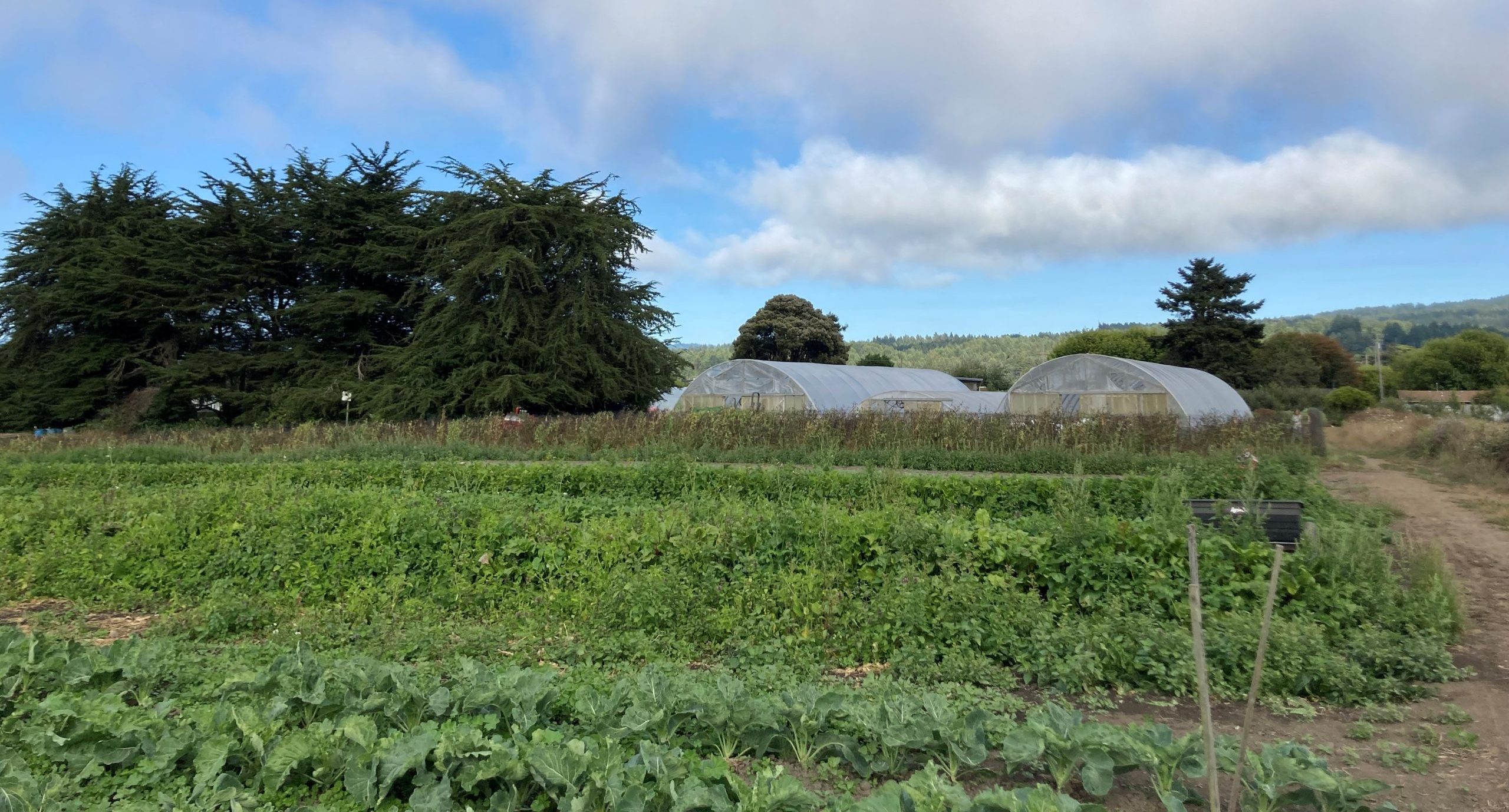
Informational Resources
The Task Force conducted substantial research while developing its recommendations. You can gain a deeper understanding of the data and insights that informed the Task Force’s work by visiting the link below.
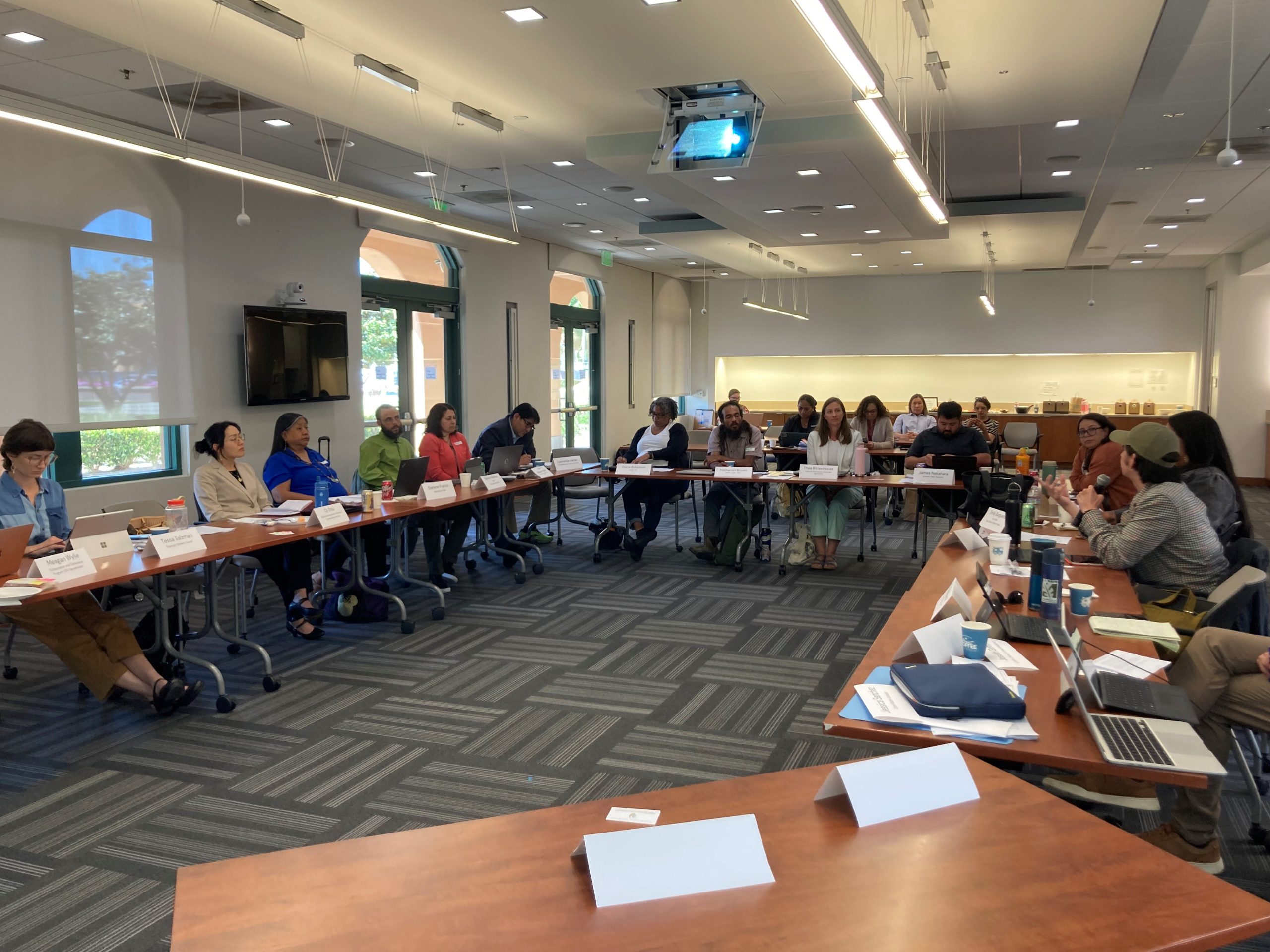
Meeting Materials
You can review documents developed for each Task Force meeting by visiting the link below.